Fences of Abundance
Rewilding Brooklyn One Fence at a Time
"How are we going to fall in love with the world if we don't pick berries?"
— Robin Wall Kimmerer
THE VISION
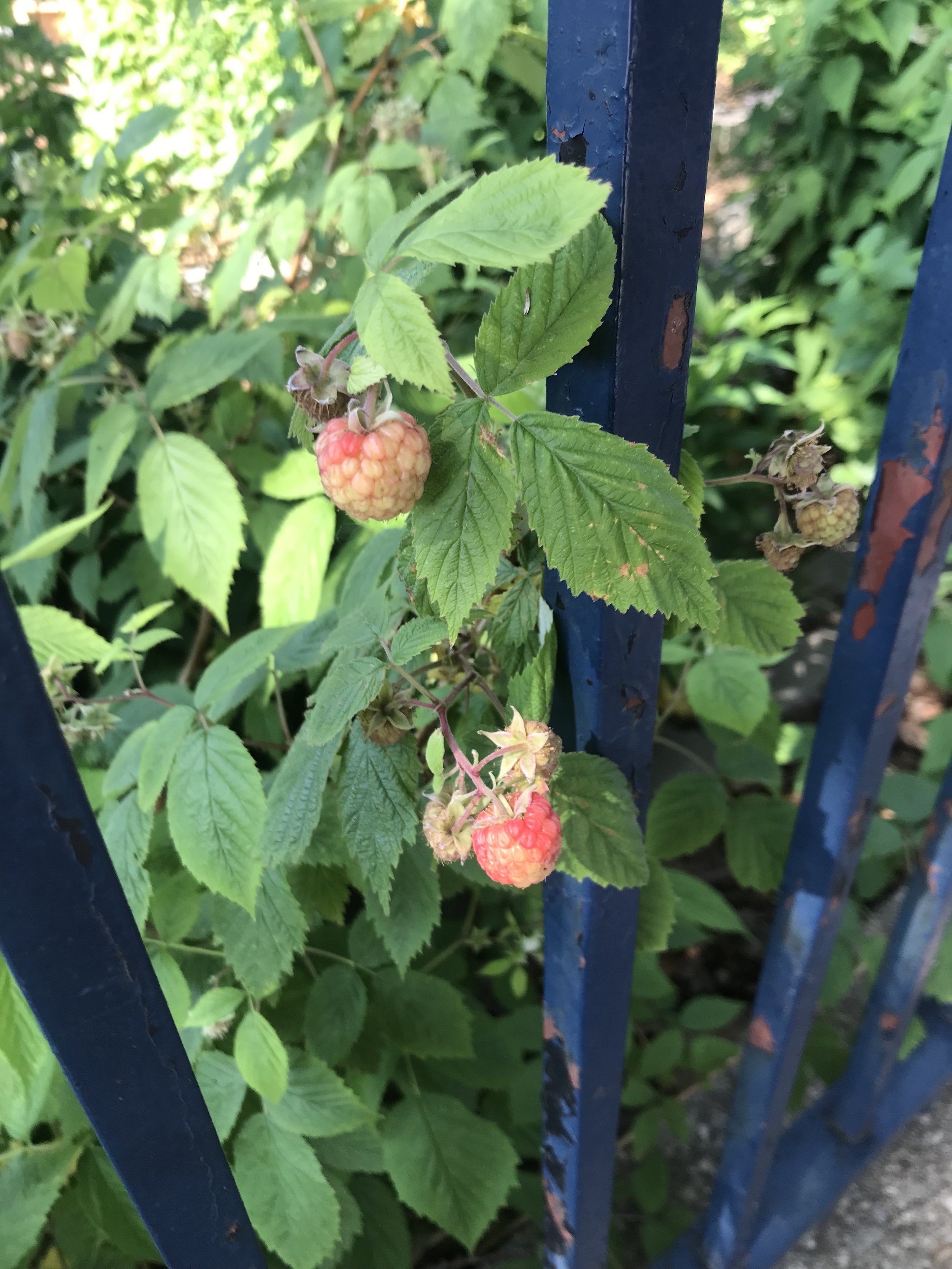
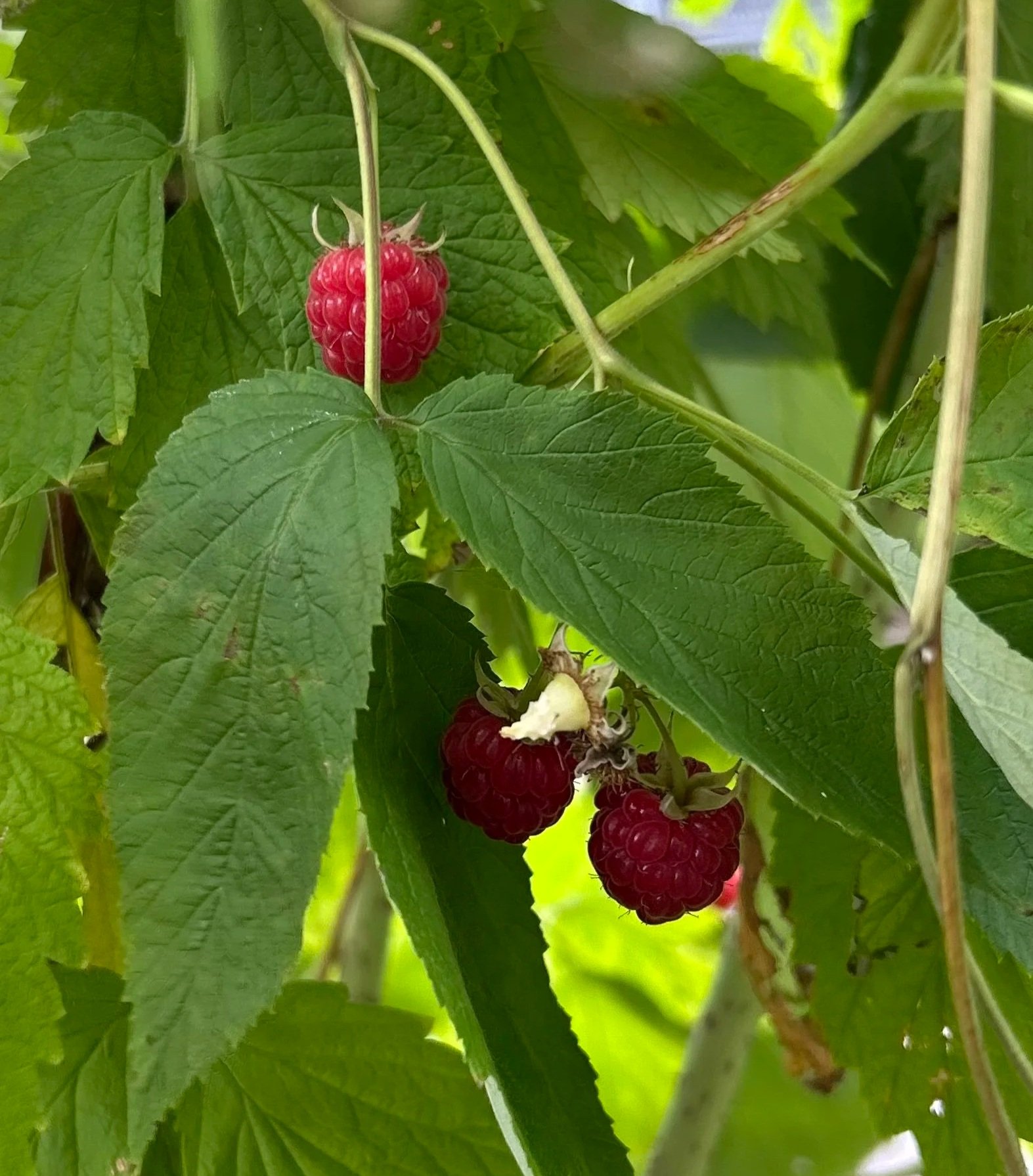
Imagine this: You're walking to the subway on a hot July morning when you notice raspberries hanging through a fence—deep red, sun-warmed, perfectly ripe. You pick one. It bursts with sweetness on your tongue. A kid walking with their mom stops: "Can we really pick these?" The mom reads the sign: "Fence of Abundance - Please Harvest & Enjoy." They fill their hands with berries, laughing.
This is what we're building. Not lectures about biodiversity. Not signs that say "Don't Touch." But moments of unexpected delight where nature gives freely and people receive with joy.
Fences of Abundance transform underutilized urban spaces into thriving ecosystems that feed both pollinators and people—creating those magical moments when the city surprises you with its generosity.
Why fences?
Brooklyn has thousands of fence lines—along schoolyards, community gardens, parks, residential properties. Most sit empty or are planted with non-native ornamentals that offer little to wildlife.
What if every fence became habitat?
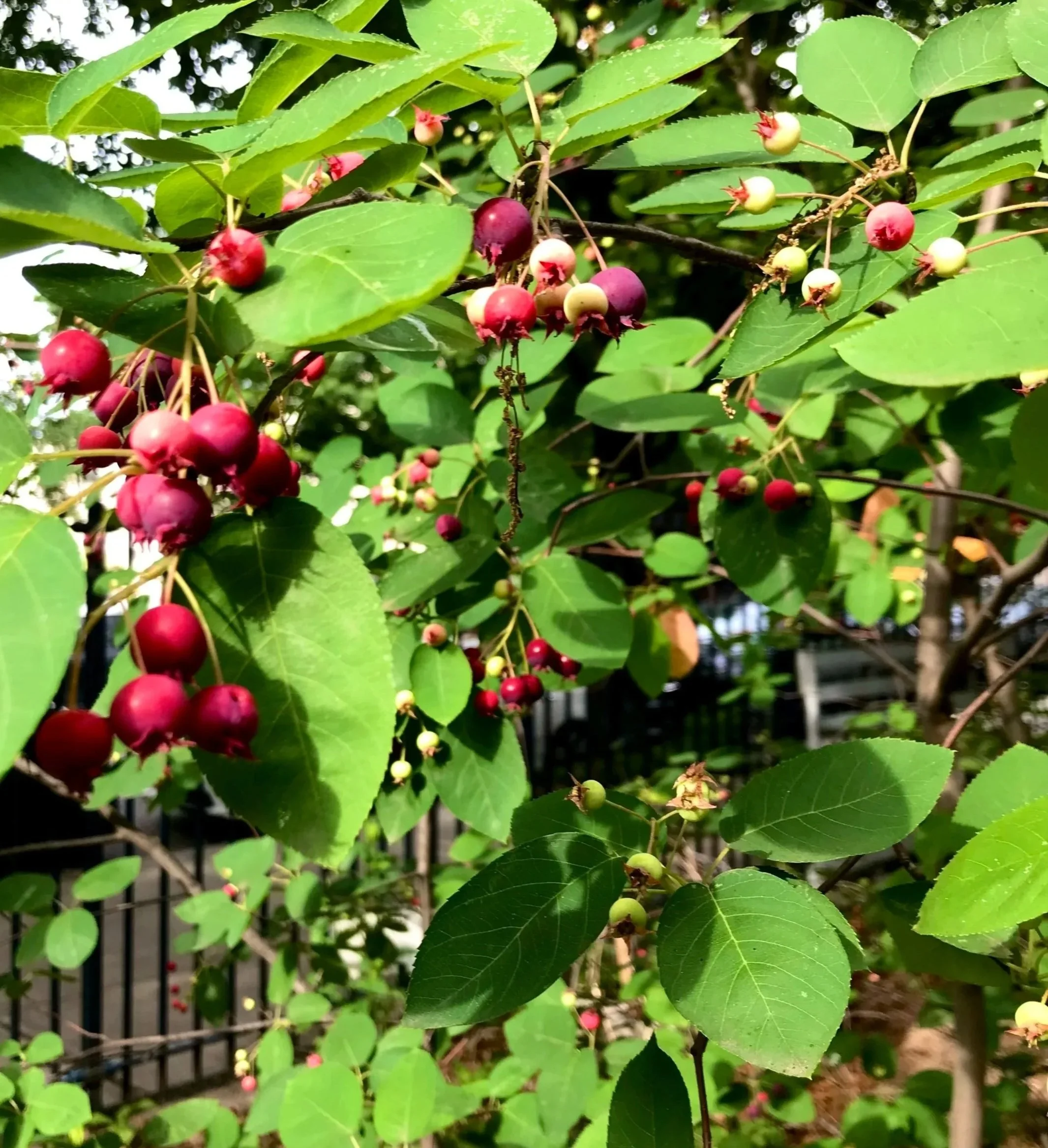
Native fruiting plants (raspberries, serviceberries, elderberries, blueberries) provide food for people AND wildlife
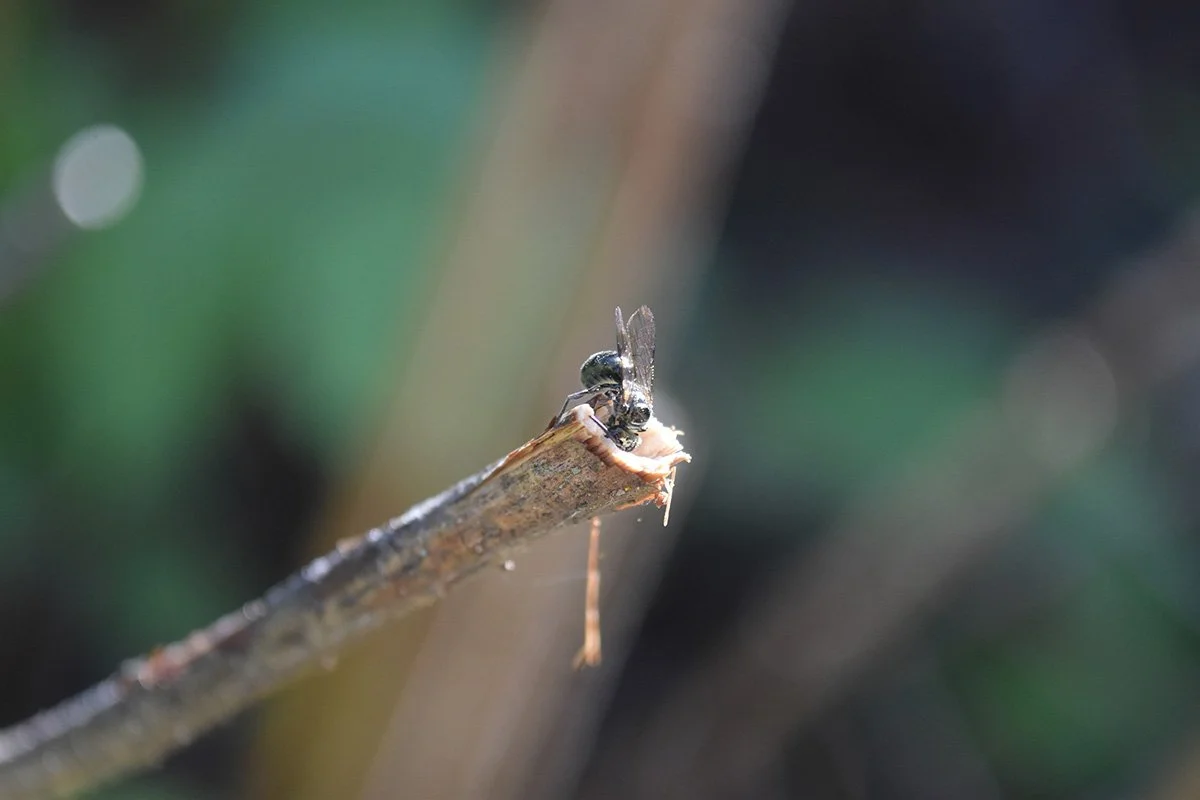
Hollow stems offer nesting sites for native bees
Year-round interest with spring blossoms, summer fruit, fall color, winter structure
Pollinator corridors connect fragmented urban habitats
Community engagement through harvesting and care
One fence becomes an ecosystem.
Many fences become a movement.
THE PROTOTYPE: PS9 Brooklyn
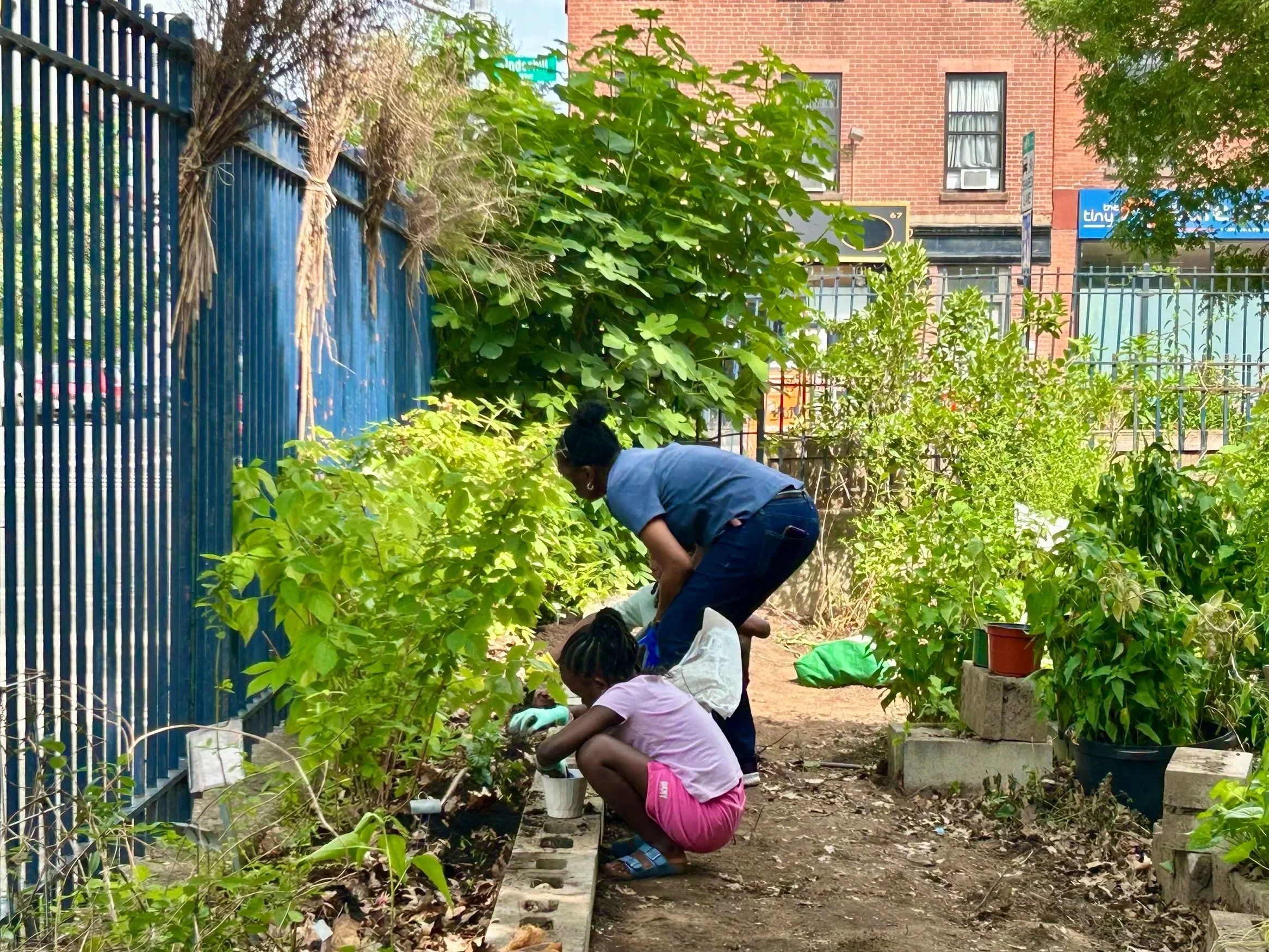
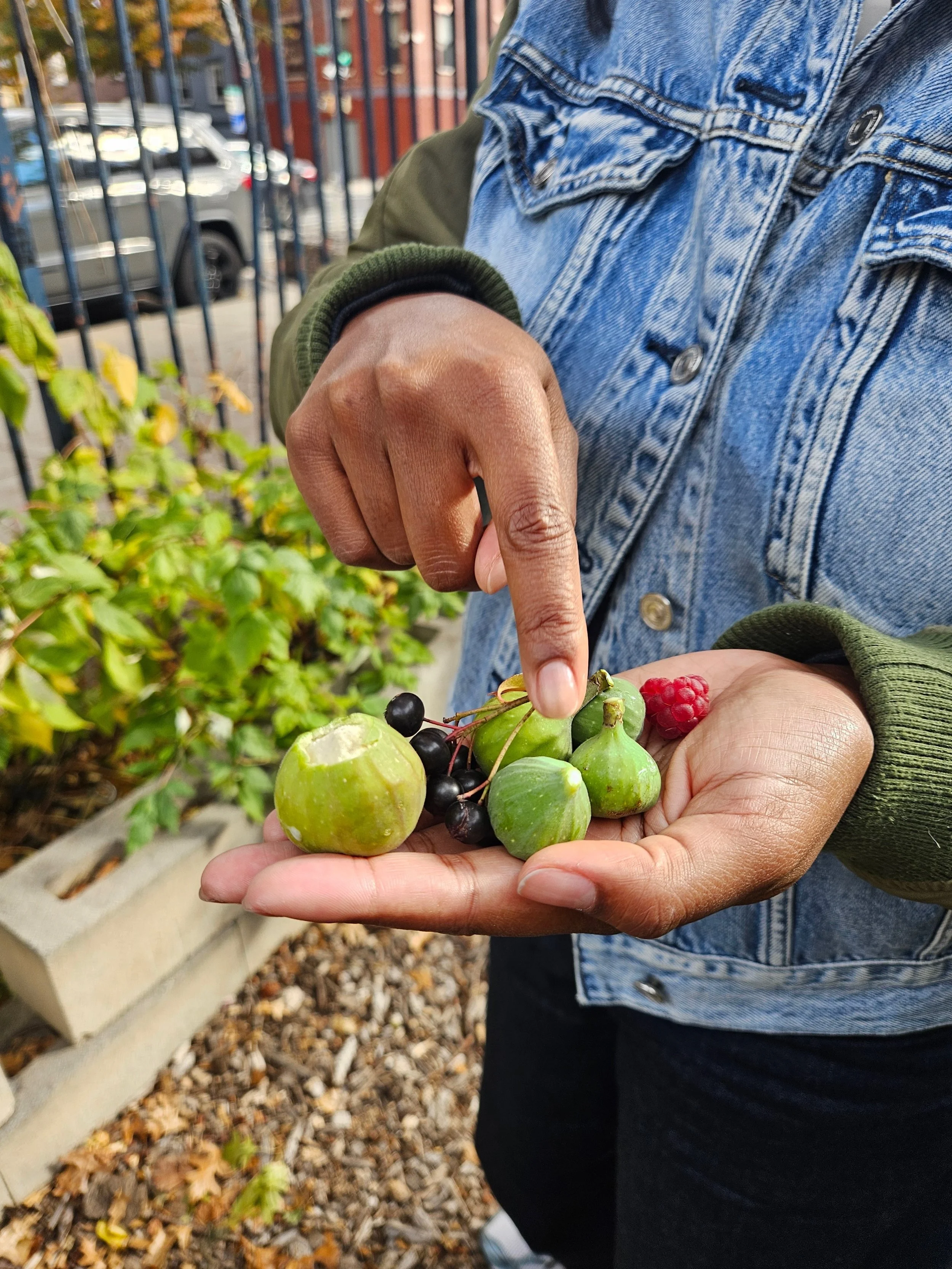
Our first Fence of Abundance was installed at PS9 in Prospect Heights in Fall 2023. Native blueberries and raspberry plants now line a section of the schoolyard fence anchored by a fig tree, creating:
✓ Habitat for native bees nesting in pruned canes
✓ Fresh fruit for students, families, and neighbors to harvest
✓ Hands-on learning as kids observe pollinators and seasonal cycles
✓ Community connection as people stop to pick berries and ask questions
This prototype proves the model works. Now we're ready to scale.
What Makes a Fence of Abundance
Nine shared principles guide every fence in the network — from Brooklyn to wherever this movement grows.
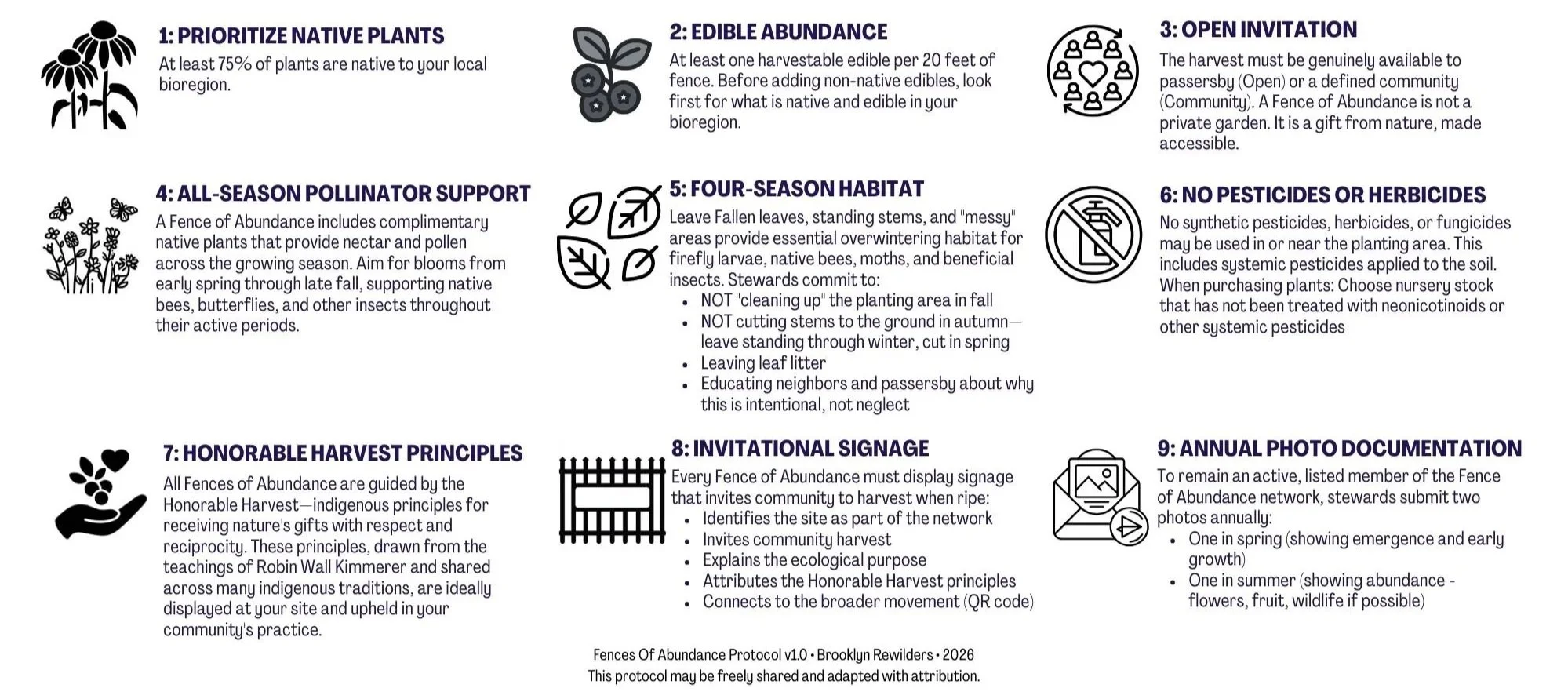
Why these nine?
They're what makes a fence actually work—ecologically and socially. They ensure the harvest is genuine, the habitat is real, and reciprocity is at the heart.
Download the full protocol for detailed guidance on creating a Fence of Abundance in your neighborhood.
Made Possible By
Brooklyn Rewilders is grateful to Village & Wilderness for the grant supporting the development of our Fences of Abundance microhabitat program. Their investment in urban rewilding is helping us transform how Brooklyn communities experience nature's abundance.
join the movement
Anyone can create a Fence of Abundance by following the protocol and joining our growing network of stewards.
The Process:
1. Download the Protocol: Review the nine principles and guidance on site assessment, soil safety, and native plants for your bioregion.
2. Plan Your Site: Assess your fence line. Do you have adequate sun? Access to water for establishment? Soil testing may be needed for urban sites. The protocol includes detailed guidance.
3. Apply to Join the Network: Reach out to brooklynrewilders@gmail.com with any questions.
4. Source and Plant: Find native plants appropriate to your bioregion. Plant and invite your neighbors to join you.
5. Join the Community: We will connect you with other Fence of Abundance stewards near you and around the world. Share knowledge, ask questions, celebrate nature’s gifts.
6. Get on the Map: Approved sites are listed on our interactive map (coming soon). Submit your annual photos to stay active and share your abundance with the movement.
Creating a Fence in Brooklyn?
If your fence is in Brooklyn or anywhere in the vicinity of NYC and you'd like partnership support—site assessment, installation help, educational programming, or design guidance—reach out to us. Brooklyn Rewilders works directly with schools, community organizations, and property owners as funding allows.
Contact us: brooklynrewilders@gmail.com
Note: Brooklyn partnership installations depend on available funding. We're currently planning for 2026 sites. We’d love to hear of any funding opportunities that will allow us to create more Fences of Abundance.
WHAT MAKES FENCES OF ABUNDANCE SPECIAL
-
There's something profound that happens when you encounter free food growing wild in the city:
Surprise - "Wait, I can just... take these?"
Delight - The taste of a sun-warm berry you picked yourself
Connection - Stopping to harvest creates spontaneous conversations with strangers
Wonder - Children's eyes going wide: "These grew HERE?"
Gratitude - Receiving nature's gift without transaction
Shift - Suddenly seeing your neighborhood differently—what else is possible?Robin Wall Kimmerer calls this the gift economy—when nature gives and we receive, we naturally want to give back. Not because we have to, but because reciprocity is the heartbeat of relationship.
A fence covered in raspberries doesn't just feed people. It feeds possibility.
-
Native plants support 10-100x more wildlife than non-natives
Hollow raspberry canes provide essential nesting habitat for native bees
Creates corridors connecting fragmented urban habitats
Supports birds, butterflies, beneficial insects year-round
-
Free, accessible fresh fruit for neighbors
Intergenerational harvesting brings people together
Children learn where food comes from
Edible landscapes normalize urban food production
-
Living classrooms for observing pollination, seasonal cycles, plant-animal relationships
Connects abstract ecology concepts to tangible experiences
Students become teachers, sharing knowledge with families
-
Community receives nature's gifts
Community gives care in return
Models relationship-based conservation, not separation
THE PLANTS
Native fruiting species we're working with:
-
![]()
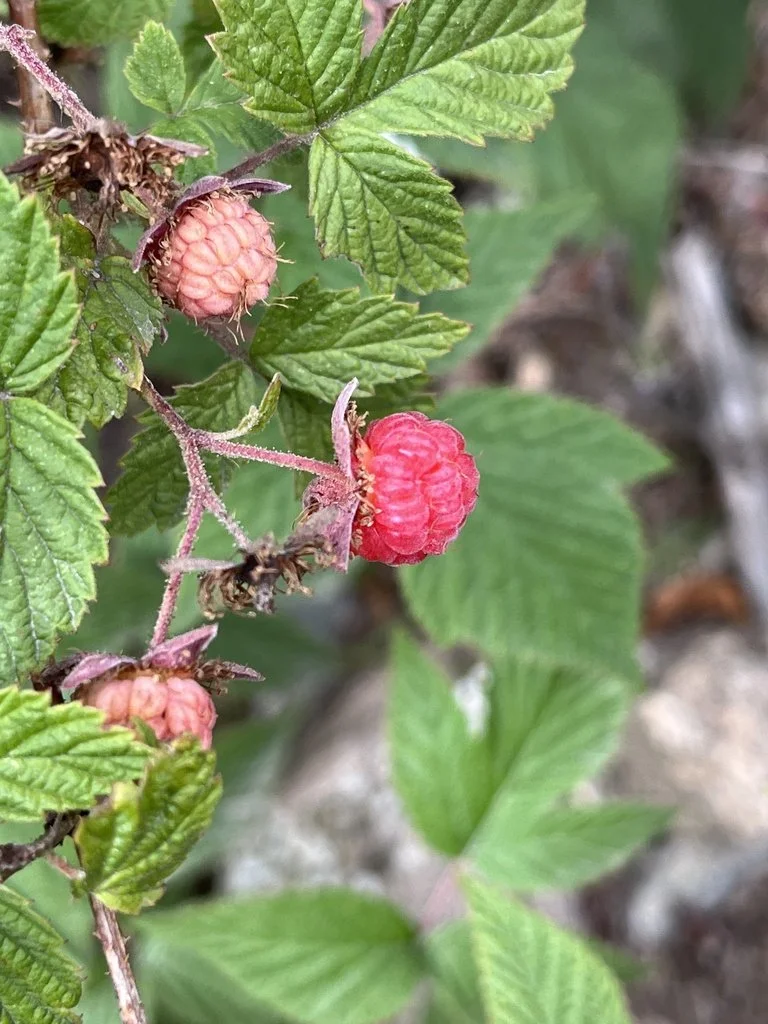
Raspberries (Rubus species)
Multiple harvests June-October, long flowering season feed pollinators, dead stalks become bee nesting habitat.
Photo © Teresa Jegelewicz Mayfield-Meyer/iNaturalist · CC BY 4.0 some rights reserved
-
![]()
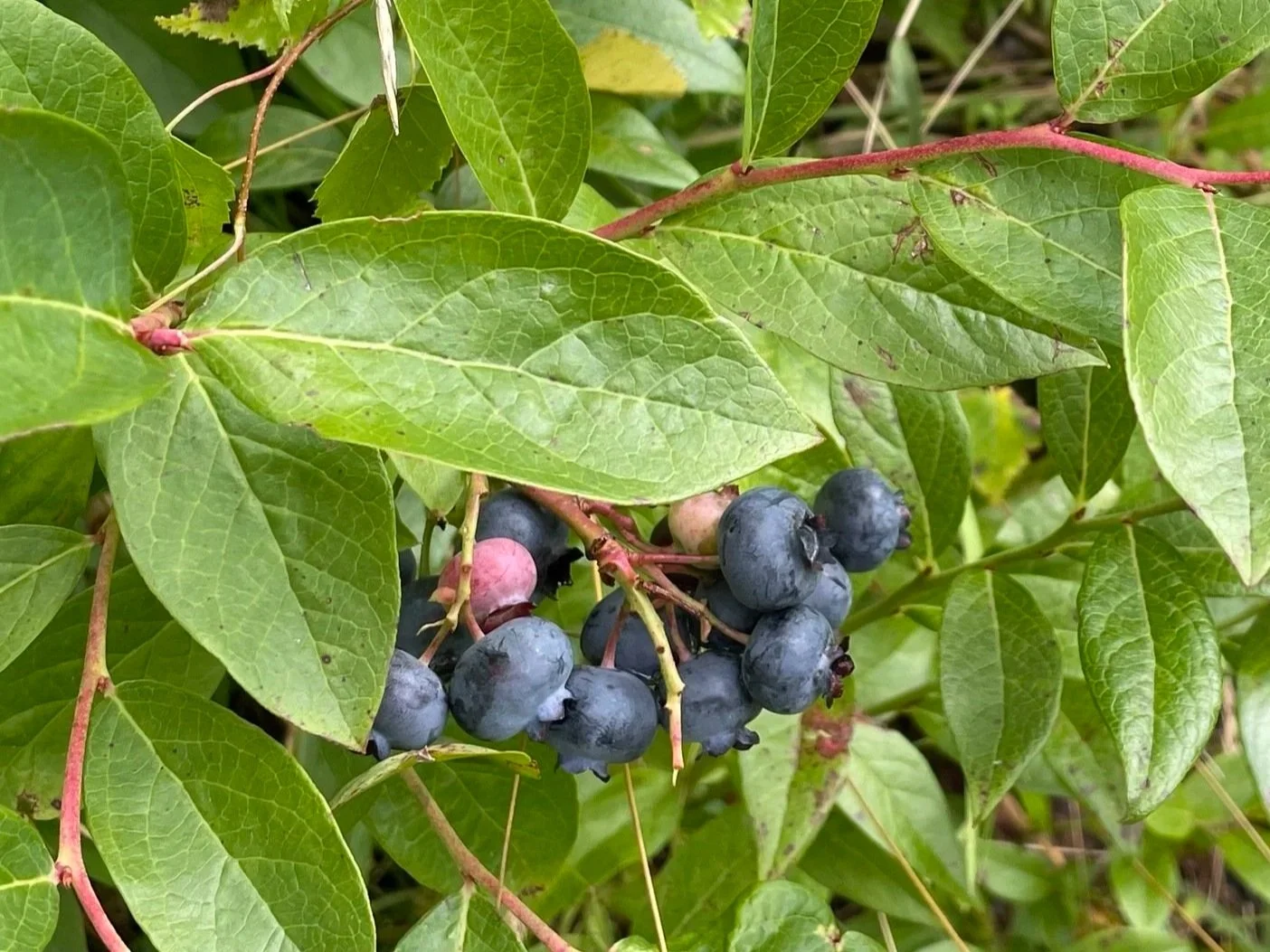
Blueberries (Vaccinium species)
July-August fruit, spring flowers for pollinators. Blueberries are vital for a wide variety of wildlife.
Photo © Tom Scavo/iNaturalist · CC by some rights reserved
-
![]()
Serviceberries (Amelanchier species)
June fruit beloved by birds and humans, with its early spring blooms, is essential for early risers like bumblebee queens.
-
![]()
Elderberries (Sambucus canadensis)
August-September fruit, important bird food
Photo © Barrett Coller Jr./iNaturalist · CC by some rights reserved
-
![]()
Beach Plum (Prunus maritima)
Late summer fruit, beautiful spring flowers.
Photo © Tom Norton/iNaturalist · CC by some rights reserved


SUPPORT THE MOVEMENT
There are many ways to help us grow corridors of abundance across Brooklyn and beyond.
Get Your Hands Dirty
Join our community of volunteers helping transform Brooklyn one fence at a time.
Give
Your support enables Brooklyn installations, grows the network, and makes the protocol and resources freely available to communities everywhere.
Bring It to Your School
Garden-based education programs for NYC public schools Email us: brooklynrewilders@gmail.com
Partner With Us
Research collaborations, institutional partnerships, major support Reach out: brooklynrewilders@gmail.com
THE BIGGER PICTURE
Fences of Abundance isn't just about fruit—it's about transforming how urban residents relate to nature.
When a child picks a raspberry from a fence on their walk to school, they're participating in an ecosystem. When neighbors gather to harvest elderberries, they're building community. When native small carpenter bees nest in raspberry canes, we're restoring habitat.
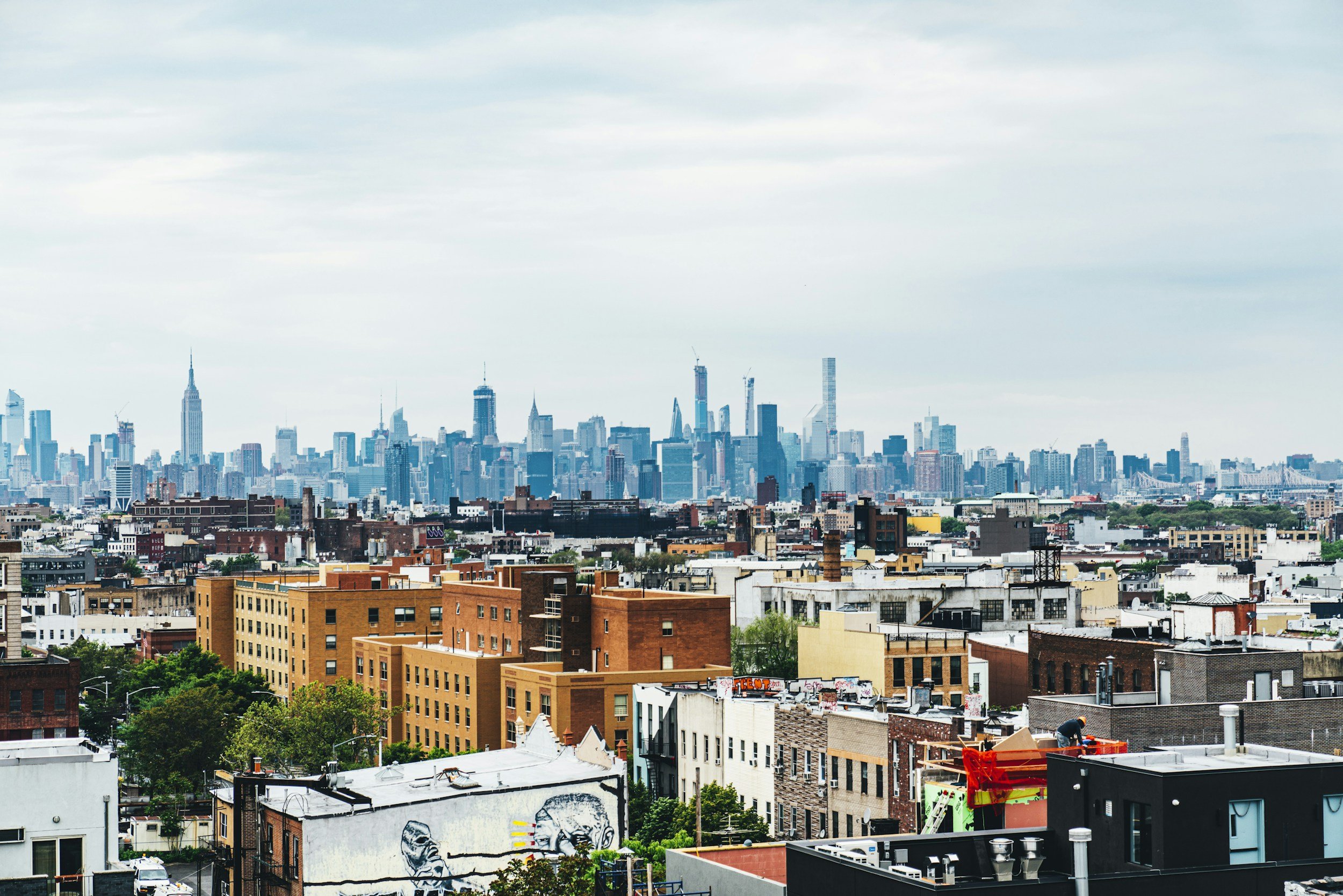
Brooklyn is the ultimate test case. If we can create thriving ecosystems where wildlife and people flourish together in one of the world's densest urban environments—where every square foot is contested, where "nature" is supposed to be something you visit in parks—then it can be done anywhere.
We're building the proof that cities aren't the opposite of nature. They can be places where both humans and wildlife thrive, where abundance is accessible, where a fence isn't just a boundary but an invitation.
One fence at a time, we're reimagining what's possible in Brooklyn.
Will you help us build it?